Rear End Collision Definition
To hit the back of one car with another in an accident: Why the lead driver can be found at fault or partially at fault.
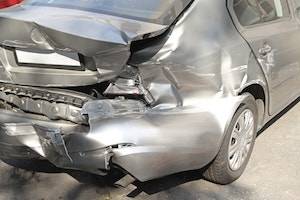
What You Should Know About Rear-end Car Accidents
Approximately 522,000 of these accidents led to injuries, according to data from the insurance information.

Rear end collision definition. The damage to the opposite end of a vehicle from which the primary damage occurred. To hit the back of one car with…. An example of this type of damage is if the rear end of a car is out of dimensional tolerance as the result of a front end impact.
In 2014 alone, there were approximately 1,966,000 of these crashes, making up 32.4 percent of the total number of collisions involving another motor vehicle. This makes it difficult for drivers to brace themselves or make evasive maneuvers in time before impact. A collision occurs when a moving object crashes into something.
1) a collision in which one vehicle collides with the rear of another vehicle. Because california is a comparative fault state, the lead driver may share liability for a collision. 3) a collision of the front of one vehicle with the rear of another vehicle.
In this case it is the driver behind who is found to be at fault for following too closely. It is caused by the inertia forces present during a collision. For example, the front of one motor vehicle impacts the side of another motor vehicle.
The rear end of a car. However, sometimes it’s not always so easy to. A crash where two motor vehicles impact at an angle.
Some occur at higher rates of speed that result in serious damage, and others occur at slower rates resulting in what seems to be no damage. The vehicle that hit you should have damage on its front bumper. This type of collision occurs when one vehicle stops while another moves toward it at a higher speed.
The front end of one vehicle collides with the rear end of another vehicle, while the two vehicles are traveling in the same direction. 2) a collision in which the trains or locomotives involved are traveling in the same direction on the same track. American heritage® dictionary of the english language, fifth edition.
The crash scenario involves a lead vehicle not moving (lvnm) in one lane of a straight, dry, paved arterial. In a rear end collision, the driver whose unsafe conduct causes a crash is required to pay for the resulting damage. A rear end collision happens when the front end of a vehicle hits the rear end of another vehicle from behind.
But there are certain situations where that is not always the case. | meaning, pronunciation, translations and examples The car that hit you should have damage on the front bumper.

Rear-end Collision Overview
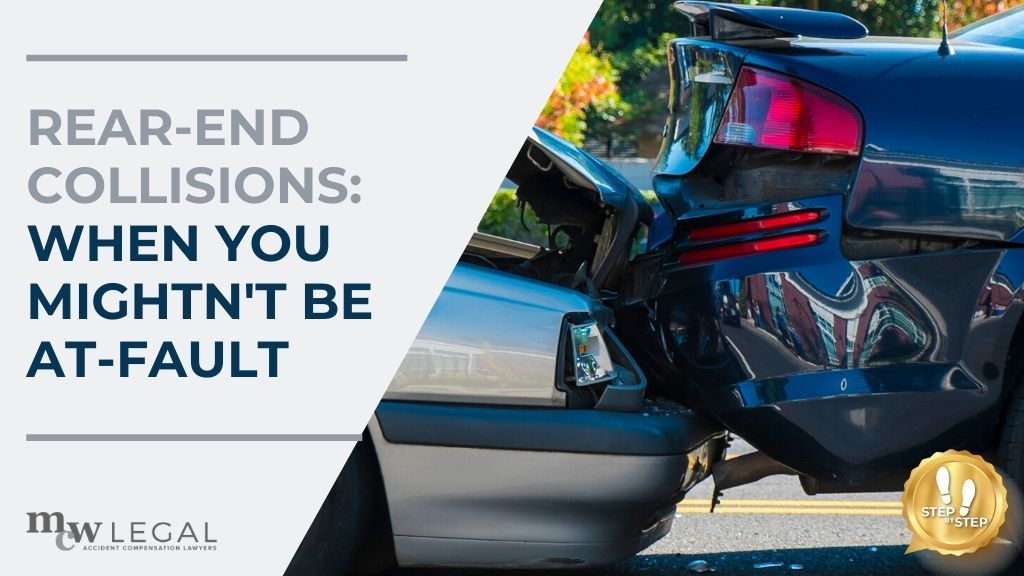
Rear-end Collision Why You Might Not Be At-fault - Mcw Legal
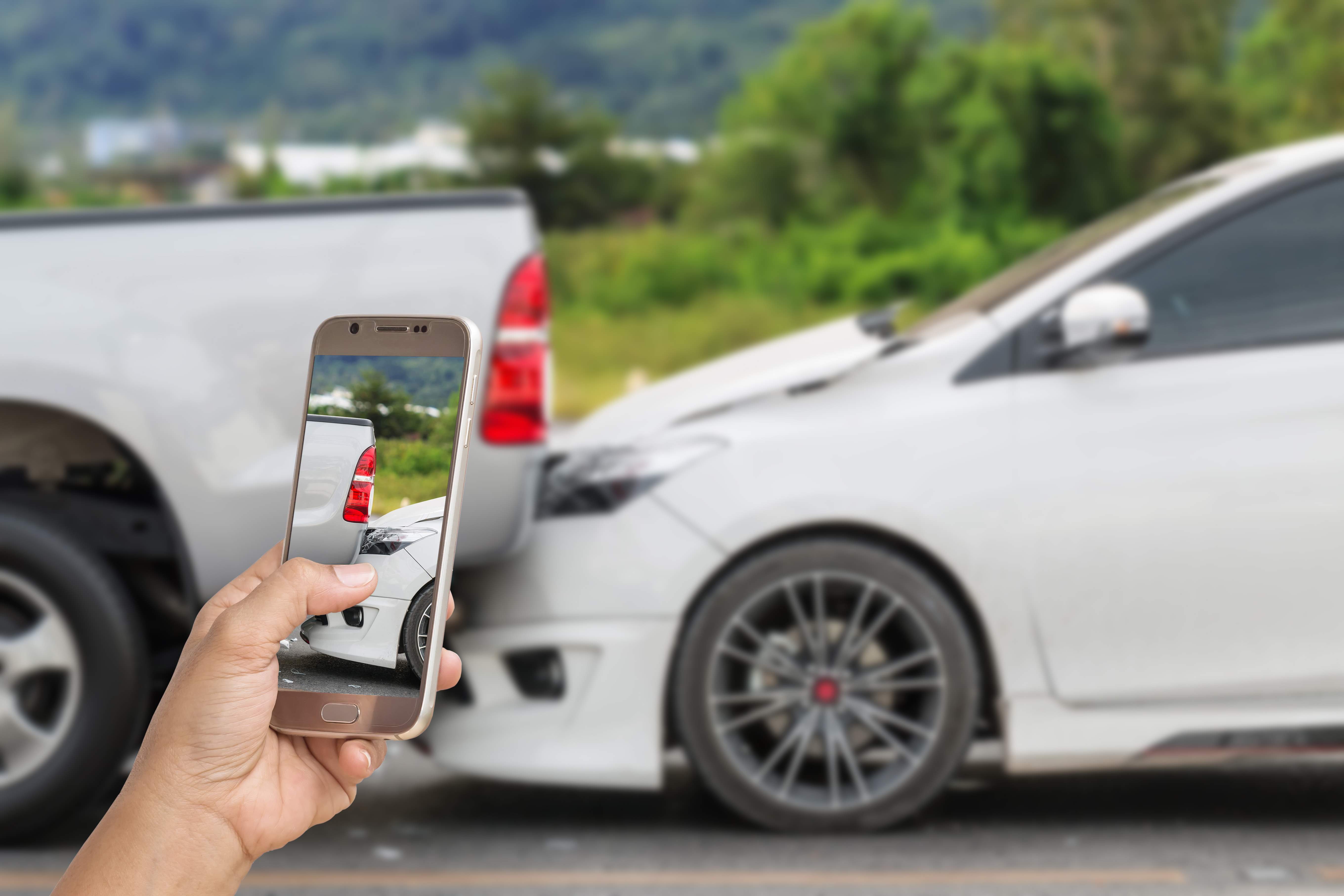
Who Is Responsible For My Rear-end Collision
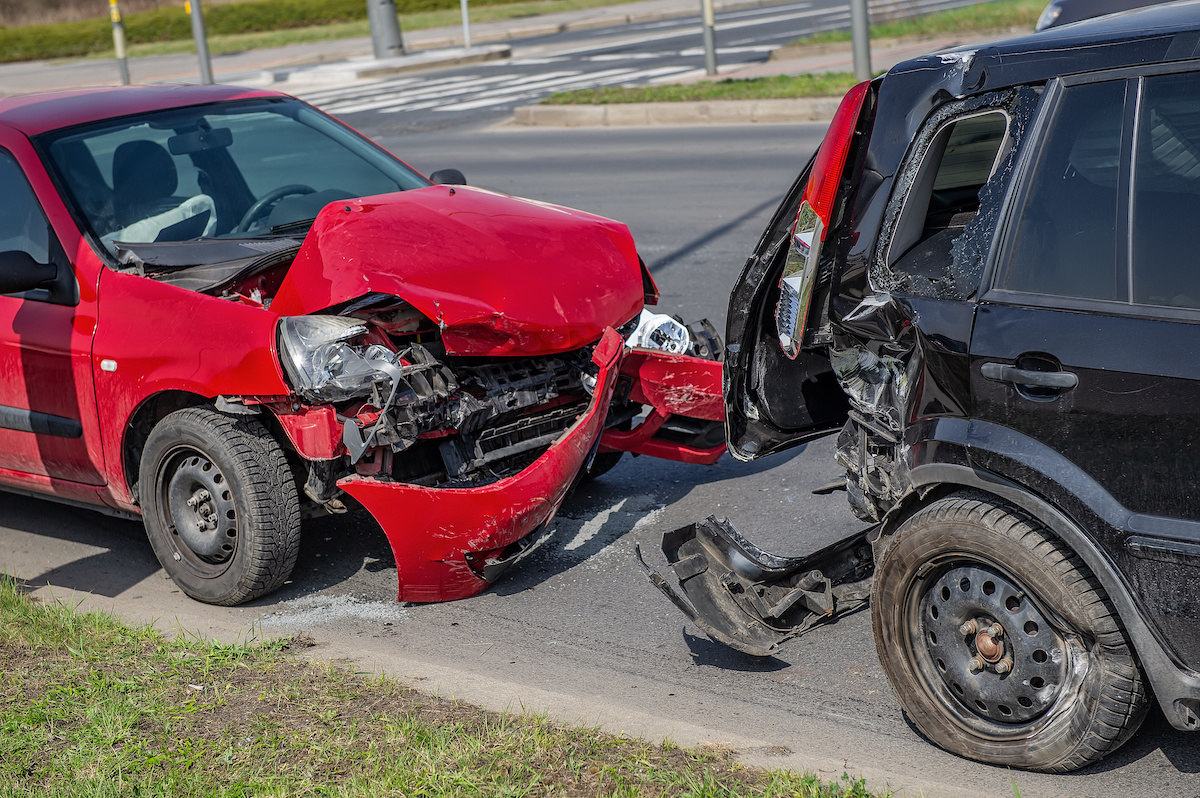
Rear-end Collision Stopping Short Car Accident Negligence

Is Fault Automatically Determined In Rear End Accidents - Bmarshall15com
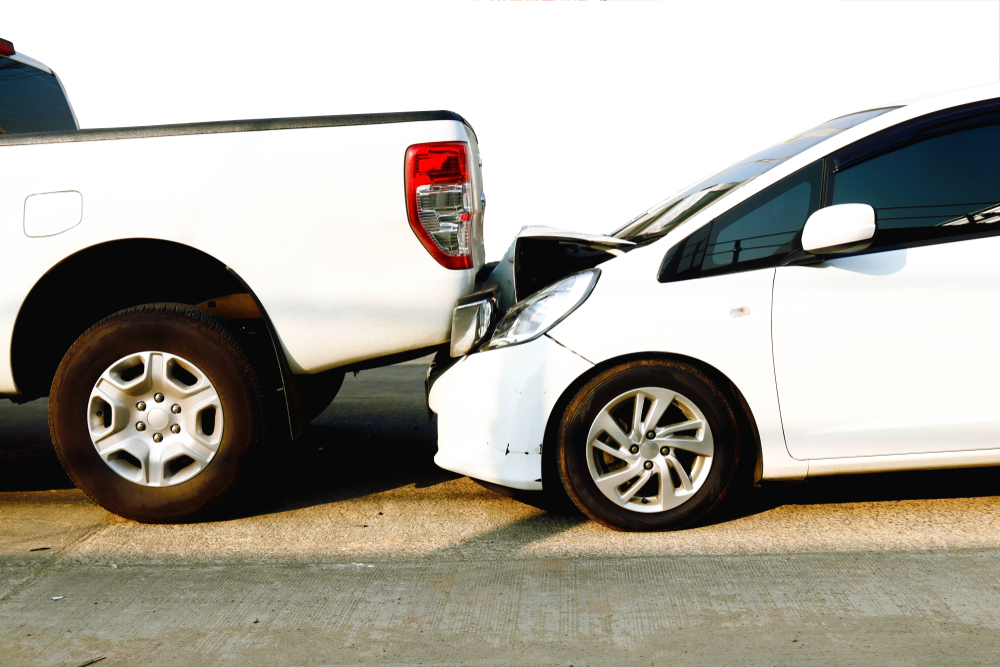
What Happens To Your Body In A Rear-end Collision
Rear End Accident Settlement Cases In Maryland Duboff Associates Chtd

Who Is At Fault In A Rear End Collision Involving 3 Cars - Landau Law Group
Rear End Collisions And Your Insurance Coverage Shank Falvey Insurance
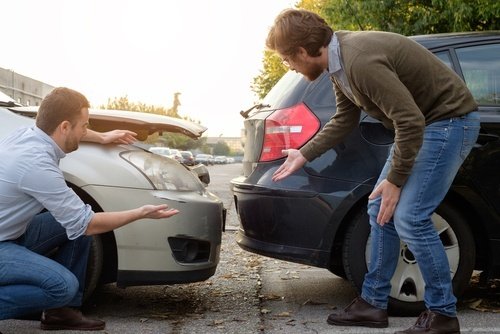
Rear-end Collision Lawsuit - 10 Key Things To Know About Fault

Old Photos - 1940s Car Rear Ended By Big Truck Car Photos Old Vintage Cars Car
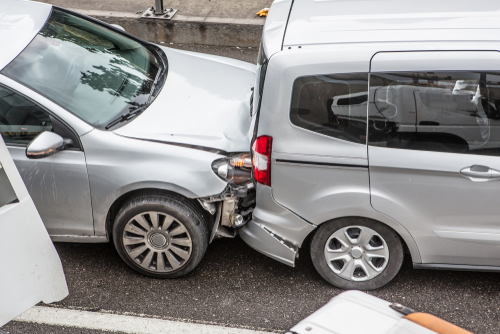
Rear-end Collision When Tailgating Leads To A Car Accident
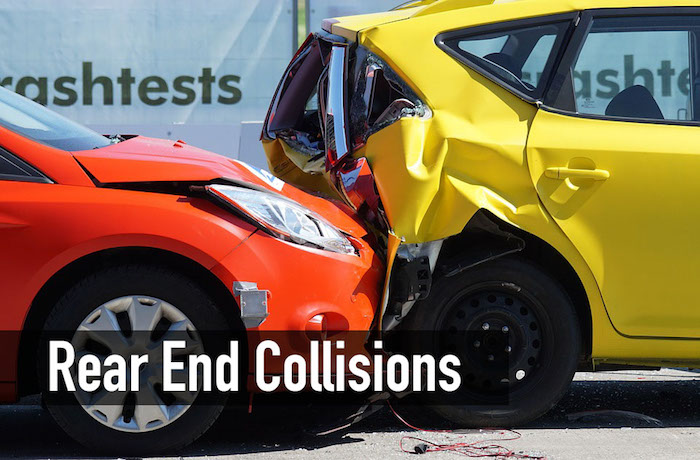
Rear End Car Accident Injury Settlements Davis Law Group
Rear End Collision Rear Ended In Ny Friedman Levy Goldfarb Green

Rear-end Accidents Determining Fault Lynch Law Firm

Rear-end Crash With Two Vehicles

Pin On Daily Cool Gadgets
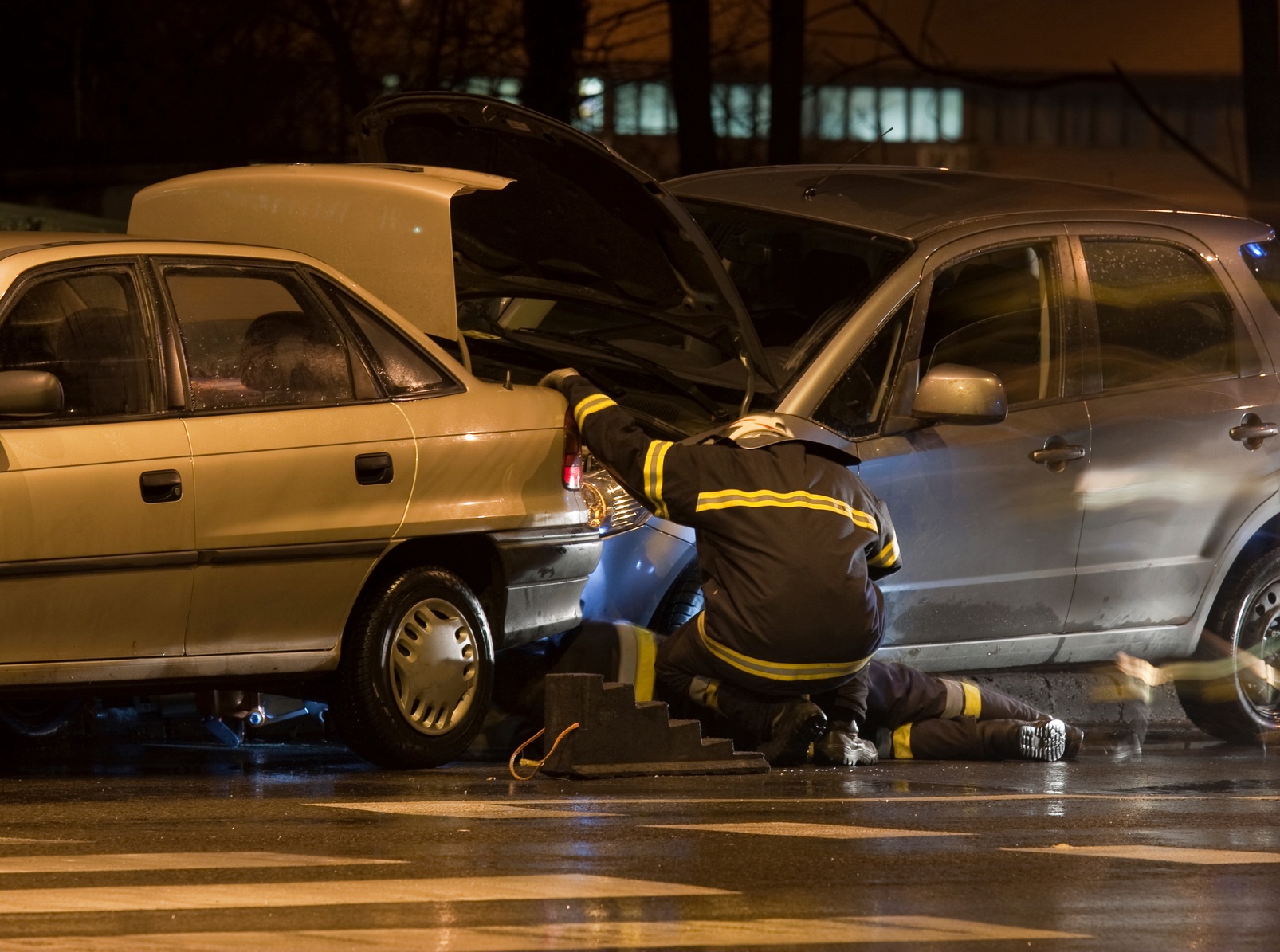
Rear-end Collisions And Their Effect On Your Body

Knowing Your Rights In A Rear End Collision Personal Injury Lawyers
